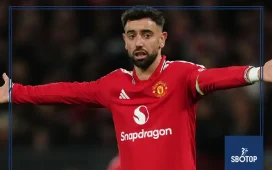
Kevin De Bruyne scored twice as Napoli defeated Frosinone 3-0 at the Stadio Diego Armando Maradona on Saturday, 10 October 2026. A first-half penalty and a stoppage-time finish bookended Noa Lang’s goal, giving the hosts a convincing result after an encounter that contained opportunities for both teams.
Napoli established their advantage through two goals in quick succession around the half-hour mark. De Bruyne converted from the spot before Lang doubled the lead, leaving Frosinone with a difficult recovery to attempt after the interval.
The visitors continued searching for a way back but could not find the goal that might have changed the contest. De Bruyne eventually added Napoli’s third late on, completing a productive individual evening and securing a victory without conceding.
For Massimiliano Allegri, the result provided a second consecutive home league win. Napoli moved to ten points, drawing level with Frosinone, while the performance offered encouragement alongside details that remained worth reviewing.
Early Opportunities Keep Both Defences Alert
Napoli threatened almost immediately, with Rasmus Højlund striking the post in the opening moments. The chance gave the hosts an early opportunity to take control of the score, although the ball stayed out.
Frosinone were not simply passive opponents. Giorgi Kvernadze provided attacking impetus, helping the visitors carry a threat while Napoli looked for a breakthrough.
That exchange of opportunities is important when interpreting the final margin. A three-goal victory can suggest uninterrupted dominance, but the match required Napoli to deal with an opponent willing to attack.
From an analytical perspective, the opening phase demanded balance. Moving players forward created possibilities for the hosts, but they still needed protection when possession changed.
Napoli eventually gained the advantage through a penalty sequence rather than an immediate conversion of their first chance. The breakthrough would prove decisive, particularly because another goal followed so quickly.
A Retaken Penalty Changes the First Half
The opening goal came after Højlund was brought down in the penalty area. The striker initially took the resulting spot-kick, but Lorenzo Palmisani saved his effort.
That was not the end of the incident. The goalkeeper had moved off his line early, and the penalty was ordered to be retaken. De Bruyne assumed responsibility and converted in the 29th minute.
The sequence illustrated the difference between an initial outcome and the final decision governing the score. Palmisani’s save could not stand as the conclusion of the penalty because the kick had to be repeated.
For Napoli, the second opportunity required composure after a moment that had appeared to favour Frosinone. De Bruyne supplied it, turning the retake into the lead.
It would be speculative to claim that the incident alone determined the visitors’ subsequent response. What can be established is that Napoli emerged from the sequence ahead and soon extended their advantage.
Lang Gives Napoli Breathing Space
Lang scored in the 32nd minute, arriving to finish after Palmisani intervened against Giovanni Di Lorenzo. Napoli had turned a level contest into a two-goal lead within a short period.
The goal highlighted the importance of support around an attack. A goalkeeper’s intervention does not necessarily remove the danger if another attacking player is ready to collect the loose ball.
Lang’s positioning allowed Napoli to continue the move and complete the opportunity. His contribution gave the hosts greater freedom in how they approached the remainder of the half.
A two-goal advantage is valuable because it changes what the opposition must achieve. Frosinone now needed two successful finishes to restore parity, while Napoli had more room to select their attacking moments.
However, the lead did not eliminate the need for concentration. One opposition goal could still have narrowed the contest considerably and altered the demands of the second half.
Frosinone Continue Looking for a Response
Frosinone did not stop trying to attack after falling behind. Their willingness to continue competing prevented the match from becoming merely an exercise in Napoli retaining possession.
Antonio Raimondo had opportunities but could not provide the finish required to reduce the deficit. That lack of an effective final action left the visitors chasing the game.
For a trailing team, the challenge extends beyond creating attempts. The quality of the chance, the support available and the decision made at the point of execution all influence whether pressure becomes a goal.
It would be unfair to describe every missed opportunity as a failure of confidence. Such explanations require evidence beyond the result.
The clearer conclusion is that Frosinone could not convert their attacking work into a breakthrough. Napoli therefore retained the practical benefit of their first-half goals, even while the visitors continued seeking a route back.
Napoli’s Advantage Shapes the Second Half
With a two-goal lead, Napoli could approach the second half differently from a team still searching for an opener. They had the option of controlling possession, selecting forward passes carefully and using space when Frosinone committed players to attack.
That does not mean the hosts could simply wait for the final whistle. Protecting an advantage requires active decisions, particularly when opponents remain willing to push forward.
David Neres provided further threat, giving Napoli opportunities to extend the score before the eventual third goal.
From an analytical standpoint, maintaining an attacking outlet is part of managing a lead. It prevents the opposition from concentrating exclusively on attack and can relieve pressure on the defence.
Napoli’s performance did not require constant acceleration. The task was to recognise which moments justified taking risks and which called for greater security. Their eventual clean sheet showed that Frosinone never found the goal needed to reopen the scoreline.
McTominay Returns as Allegri Uses His Bench
Scott McTominay entered during the second half, replacing Neres and playing for more than half an hour. His involvement added another notable element to Napoli’s evening.
Allegri also introduced Lorenzo Lucca, Billy Gilmour and Giovane as he managed the match. The changes offered different options while the hosts maintained their advantage.
Substitutions are not valuable solely when a replacement scores. They can help sustain movement, provide passing options and support the defensive work required as the match develops.
However, the exact purpose of every change cannot be established without the coach’s explanation. It is better to distinguish the confirmed substitutions from assumptions about the instructions accompanying them.
Giovane’s contribution became especially clear when he supplied the ball for De Bruyne’s late finish. That involvement provided a direct attacking return from the bench and helped complete Napoli’s victory.
De Bruyne Completes His Double
De Bruyne scored his second in stoppage time, applying the finishing touch to Giovane’s delivery from close range. The goal removed any remaining uncertainty and gave Napoli their final three-goal margin.
The two finishes reflected different demands. His opener required execution from the penalty spot after a retake, while the late goal depended on arriving in the right place to meet a teammate’s ball.
Together, they demonstrated how a midfielder can influence the score through both responsibility and movement. Creating attacks remains important, but reaching finishing positions gives the team another source of goals.
The final strike also reflected Napoli’s continued willingness to attack rather than treating the closing minutes as entirely defensive.
For De Bruyne, the double was the clearest individual contribution. For Napoli, it completed a collective performance in which the decisive finishing was concentrated in a few important moments.
The Statistics Show Where Napoli Were More Effective
The match figures offered a useful qualification to the scoreline. Possession was relatively even, and Frosinone registered a substantial number of attempts. Napoli, however, produced a considerably stronger return in efforts on target.
That distinction matters. Total attempts can indicate attacking activity without establishing how frequently a goalkeeper has been seriously tested.
Napoli’s superiority was therefore better expressed through the effectiveness of their opportunities than through an assumption that they monopolised the ball.
For Frosinone, the figures pointed towards the need to improve the final stage of attacks. Reaching shooting positions is useful, but the quality and accuracy of those attempts determine their value.
Napoli’s three goals and clean sheet represented the successful conversion of their important moments. Frosinone’s activity did not produce an equivalent return, leaving a clear difference on the scoreboard.
Three Points Provide Progress, Not a Final Verdict
Napoli’s victory brought them level with Frosinone on ten points after six league matches. That outcome strengthened their early-season position without settling the broader direction of their campaign.
For Allegri, the encouraging elements were identifiable: a response to the early opportunities, two goals before half-time, effective management of the lead and another finish near the end.
The performance still contained details to examine, including chances that were not converted and situations in which Frosinone were able to threaten.
For the visitors, defeat did not erase the work behind their positive opening to the season. It did demonstrate the cost of failing to match an opponent’s execution in decisive areas.
At the Maradona, De Bruyne provided the first and last goals, with Lang supplying the important second. Napoli turned those contributions into a clear result, combining productive finishing with enough defensive security to keep Frosinone from changing the match.
Also Read: