Crystal Palace’s 5-0 defeat at Brighton on October 18, 2026, turned an uncomfortable start under Pierre Sage into a much sharper examination of his management. Losing heavily would have prompted concern against any opponent. Suffering that result against their fiercest rivals made the consequences more immediate, exposing defensive weaknesses while damaging supporters’ confidence in the direction of the team.
Palace were three goals behind inside the opening ten minutes. By that stage, the contest had already moved far beyond the usual difficulties of an away derby. Brighton had established control, while the visitors faced the challenge of recovering their organisation before they could realistically think about recovering the result.
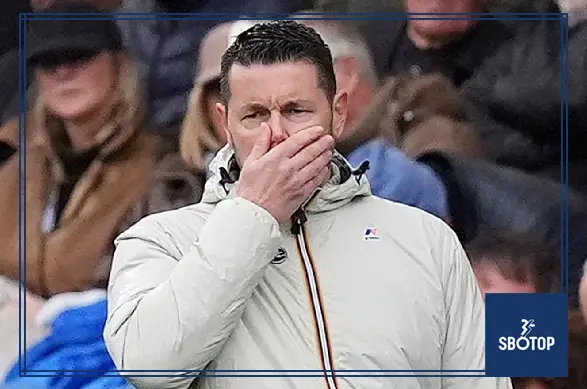
Sage subsequently apologised to supporters and acknowledged the inadequacy of the performance. Reports immediately after the defeat indicated that Palace were not planning an instant managerial change. That distinction matters: increasing pressure was clear, but dismissal was not a confirmed decision.
An Opening That Undermined Everything
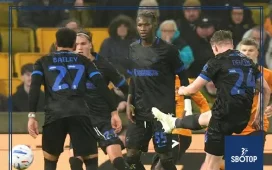
Palace’s problems began when Jaydee Canvot diverted a delivery into his own net. Diego Gómez then produced an extraordinary strike from around halfway, before Yasin Ayari added Brighton’s third.
The different nature of those goals complicated the diagnosis. An own goal, an exceptional long-range finish and another successful attacking move cannot simply be treated as three identical defensive failures.
Their cumulative effect, however, was devastating. Palace had barely established themselves before they were confronting a substantial deficit in an emotionally charged fixture.
From an analytical perspective, the most concerning feature was the absence of an effective reset. Teams can concede early without losing their structure altogether. Palace needed to slow the contest, reconnect their units and prevent one setback from becoming several. Instead, Brighton continued to find opportunities while the visitors struggled to recover their footing.
Brighton Maintained Their Advantage After the Interval
The half-time break offered Crystal Palace an opportunity to reorganise. Any realistic recovery required a more secure opening to the second period, followed by sustained pressure at the opposite end.
Instead, Charalampos Kostoulas scored Brighton’s fourth shortly after the restart. Jack Hinshelwood later completed the scoring, ensuring that the home side’s dominance was reflected emphatically in the result.
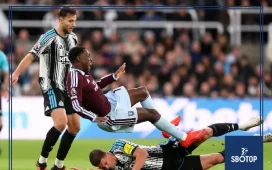
Palace did create a notable opportunity when substitute Jean-Philippe Mateta struck the crossbar. Nevertheless, that moment could not disguise the wider imbalance of the afternoon.
The second-half outcome is important when assessing Sage’s position. The opening collapse was severe, but the interval provided a separate test of the team’s ability to respond to instruction. Brighton extending their lead reinforced the impression that Palace had not found sufficient answers to the problems confronting them.
Why This Defeat Carried Additional Weight
Rivalry fixtures intensify the relationship between performance and public reaction. Supporters expect their team to understand the significance of the occasion, even when victory is far from guaranteed.
That expectation does not mean players can overcome every technical disadvantage through emotion. It does mean that an early collapse can feel especially difficult to accept when the opponent carries such importance.
For Sage, the challenge therefore extended beyond explaining tactical mistakes. He also needed to address why Palace appeared unable to compete effectively in the defining stages.
It would be unfair to claim that the score proved players did not care. Effort, preparation and execution are separate matters, and a poor performance does not reveal private motivation. What could be judged was the football itself. Palace failed to provide the organised resistance that might have limited Brighton’s momentum.
An Apology Recognised the Damage
Sage’s response acknowledged the seriousness of the defeat. He apologised to supporters and accepted that Palace had fallen below the expected standard.
Such accountability is preferable to pretending that an overwhelming loss was merely an unfortunate afternoon. A manager needs credibility when asking players and supporters to trust the next stage of his work.
However, acknowledging a problem and solving it require different skills. An apology can recognise disappointment; it cannot repair the distances between defenders, improve decisions under pressure or establish more effective protection in midfield.
The practical test is what follows. Players need instructions they can apply, while supporters need visible evidence that the same weaknesses are being addressed. Without that connection, post-match accountability risks becoming a recurring ritual rather than the beginning of meaningful correction.
Defensive Security Must Become a Collective Responsibility
A heavy defeat naturally directs attention towards defenders and the goalkeeper. Yet defensive security depends on the behaviour of the whole team.
If pressure on the ball is ineffective, opponents have time to select passes. If midfield protection disappears, defenders must cover larger spaces. If possession is lost with too many players committed forward, recovery becomes more difficult.
These are general tactical principles rather than a definitive explanation for every Brighton goal. They nevertheless identify the areas Palace need to examine when reviewing the performance.
The useful question is not simply which individual made the final mistake. It is how the team arrived at a situation in which that mistake became possible or especially costly. A stronger defensive framework should reduce the frequency with which players are left solving emergencies without adequate support.
Attacking Ambition Needs Protection Behind It
Sage’s approach has attracted scrutiny, but the debate should not be reduced to a choice between attacking football and caution.
An ambitious team still requires protection when an attack breaks down. Players behind the ball must anticipate turnovers, close likely passing routes and remain connected enough to delay an opponent’s advance.
Equally, a team that retreats without an effective way to retain possession may invite repeated pressure. Defensive improvement does not automatically come from positioning everyone closer to their own goal.
For Palace, the analytical priority is balance. Their attacking intentions need to operate within a structure that remains functional when possession changes. If players are unsure about their responsibilities during those moments, ambition can become exposure. The solution must involve clearer coordination, rather than a vague instruction to become more careful.
Transition Provides Context Without Removing Accountability
Sage took over after Oliver Glasner’s departure, inheriting the responsibility of establishing his own methods during a period of change.
Managerial transitions can affect familiar relationships across a team. Different instructions alter how players press, where they receive possession and which risks they are expected to take.
That context deserves consideration. It would be simplistic to assume a new manager can reproduce an established side’s understanding immediately, particularly when personnel have also changed.
Nevertheless, transition cannot become an explanation without limits. A developing team still needs minimum standards of organisation and competitiveness. The distinction is between allowing time for improvement and accepting repeated evidence that the current process is failing. Palace’s decision-makers must assess the quality of the work behind results, while recognising that results ultimately determine how much room remains available.
Confidence Depends on Clearer Football
After a defeat of this scale, confidence becomes an obvious concern. Players may hesitate over passes, retreat too readily or avoid decisions that previously felt straightforward.
Yet confidence is not restored solely through encouragement. A player under pressure needs practical options: a nearby teammate, an identifiable passing route and a clear understanding of the next action.
Sage therefore faces a combined psychological and tactical task. Reassurance can help players remain engaged, but clearer football gives that reassurance substance.
As an analytical principle, simplifying selected responsibilities may help a struggling team regain stability. That does not require abandoning every attacking idea. It means identifying a manageable set of actions that players can execute consistently, then rebuilding complexity once those foundations are secure.
Pressure Should Not Be Confused With a Confirmed Departure
Public scrutiny often produces an exaggerated sense of certainty around a manager’s future. Reports about concern, possible replacements or internal discussions can quickly become presented as evidence that a dismissal is inevitable.
Those claims require careful separation. The immediate reporting after Brighton described growing pressure alongside an absence of plans for an instant change.
Neither element amounted to a guarantee about the longer term. Continuing in the job did not establish unconditional support, just as criticism did not confirm that a decision to dismiss Sage had been taken.
For readers assessing the situation, the distinction is essential. Palace’s performance provided firm grounds for scrutiny. Any claim about precisely when the club might act, however, remained dependent on information beyond the result itself.
The Required Response Must Be Visible
The strongest response to Brighton would involve identifiable improvements rather than broad promises. Palace need to begin matches with greater security, maintain their shape after setbacks and prevent opponents from turning isolated advantages into sustained dominance.
Progress should also appear in possession. Keeping the ball with purpose can relieve pressure, restore control and give attacking players a platform from which to contribute.
No single adjustment guarantees an immediate victory. A more competitive performance can still end in defeat, while an unconvincing display can occasionally produce points. Over time, however, reliable improvements should influence both performances and outcomes.
That is the task facing Sage. The Brighton defeat made his position more uncomfortable because it exposed several problems at once. His authority now depends on showing that those problems can be reduced through coherent work. An apology acknowledged what Palace’s supporters had witnessed; a more organised, resilient team must provide the answer.