


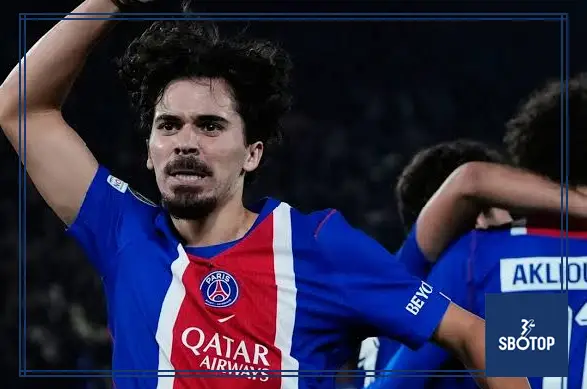
Paris Saint-Germain twice saw their lead erased before delivering the decisive late blows in a gripping 4-2 victory over Barcelona at the Parc des Princes on October 20, 2026. Vitinha and Fabián Ruiz settled an absorbing Champions League encounter that ended Hansi Flick’s side’s perfect start to the season.
Désiré Doué opened the scoring before Xavi Espart equalised. Lucas Hernández restored the hosts’ advantage, only for Lamine Yamal to produce another Barcelona response. With the score level at 2-2 and the contest still open, Paris found the greater precision in the closing stages.
The result rewarded the home side’s attacking persistence while leaving Barcelona with competing emotions. They had demonstrated the ability to recover against the reigning European champions, but could not turn either equaliser into lasting stability. Across six goals and repeated changes of momentum, the difference ultimately emerged in the final ten minutes.
An Explosive Start Sets the Tone
Paris threatened almost immediately, with Khvicha Kvaratskhelia striking the post inside the opening minutes. It was an early warning that Barcelona would need to manage pressure quickly and carefully.
The visitors nevertheless found attacking opportunities of their own. Dani Olmo went close, while Raphinha forced Matvey Safonov into action as Barcelona began establishing a foothold.
Those exchanges created the pattern for much of the evening. Neither team could assume that a productive attacking spell would prevent danger at the other end.
From an analytical perspective, the challenge was balance. Both sides possessed players capable of exploiting small openings, making the quality of possession particularly important. A misplaced pass could become more than a lost attack: it could immediately give the opposition an opportunity to advance against an unsettled defence.
Goalkeepers Keep the Contest Within Reach
Before the breakthrough, both goalkeepers played important roles. Safonov helped prevent Barcelona from taking advantage of their opportunities, while Joan García repeatedly intervened to keep Paris from moving ahead earlier.
Their contributions mattered because the attacking exchanges were producing genuine danger. The first-half score remained close without either team having eliminated the opposition’s threat.
For Barcelona, García’s saves preserved a manageable position during periods when Paris looked particularly dangerous. At the other end, Safonov ensured that the visitors’ response did not become a lead.
It would be misleading to describe the match solely through the goals. Missed chances and saves helped determine the circumstances in which later decisions were made. The goalkeepers’ work kept both teams engaged in a contest that might otherwise have developed very differently.
Doué Turns Pressure Into the Opening Goal
Paris broke through in the 38th minute. After regaining possession, Doué moved away from his marker and finished from around the edge of the penalty area.
The goal gave the hosts a reward for their first-half attacking efforts. It also illustrated the danger Barcelona faced when possession was lost before their defensive organisation could settle.
Barcelona almost answered quickly through Fermín López, but Safonov prevented the equaliser. Paris therefore carried a 1-0 advantage into half-time rather than allowing the visitors an immediate recovery.
Analytically, the sequence emphasised how quickly a match can turn on consecutive actions. One side converts a turnover; the other creates an opportunity but cannot finish. The difference at the interval reflected that execution, while leaving the broader contest far from resolved. Opta Analyst
Espart Brings Barcelona Back Into the Game
Barcelona equalised in the 55th minute through Espart. The young defender advanced to receive a carefully weighted pass from Fermín and finished past Safonov.
The move offered a different route to goal from the individual attacking actions that had featured earlier. Barcelona connected movement and passing to bring a player forward from deeper territory into a dangerous position.
For Espart, it was a significant contribution on a demanding European stage. For the team, it restored parity and gave fresh purpose to their attacking play.
The goal also demonstrated why defenders joining an attack can create difficulties for opponents. Tracking the familiar forwards is not always enough when another runner arrives at the right moment. Barcelona had found a coordinated answer to Paris’s lead and were again competing for the direction of the match.
Barcelona Build Momentum Without Taking the Lead
The equaliser encouraged Barcelona, who continued looking for opportunities. Gavi tested Safonov, and João Cancelo also threatened as the visitors enjoyed a more productive spell.
These moments supported the impression that the contest remained open. Barcelona were not simply surviving after falling behind; they were creating situations that could have placed them ahead.
However, momentum is useful only when it produces a lasting advantage. A team can look increasingly dangerous without changing the score, leaving the opposition able to respond through one successful attack.
That was the situation facing Flick’s side. Their recovery had been meaningful, but they had not established control over the result. Paris still possessed the attacking quality to punish a lapse, and Barcelona needed to preserve defensive awareness while continuing to pursue another goal.
Hernández Restores the Hosts’ Advantage
Paris regained the lead in the 72nd minute when Hernández met a corner with a powerful header. The goal followed another warning, with Ferran Torres having struck the post.
A set-piece provided the breakthrough after Barcelona had threatened to shift the match in their favour. It changed the visitors’ task again, forcing them to chase another equaliser.
The goal also showed the value of having different sources of threat. Paris did not need every decisive moment to come through their forward line or through a long passing sequence.
For Barcelona, defending the delivery required attention beyond the ball’s initial trajectory. Movement, marking and the contest for the first contact all mattered. Hernández won that decisive moment, giving the hosts an advantage that their opponents once again had to overcome.
Yamal Delivers Another Dramatic Response
Barcelona refused to let the second setback settle the match. In the 79th minute, Yamal seized on an opening, drove into the area and produced a fierce finish from a difficult angle.
At 2-2, the visitors had recovered twice and still had time to pursue more. His goal supplied the kind of individual quality capable of changing a high-level contest even when space appears limited.
Yet the next phase was crucial. An equaliser can provide emotional momentum, but it also creates a need to regain organisation quickly after the restart.
Barcelona’s achievement was to restore parity against an opponent with considerable attacking strength. Their remaining task was to turn that recovery into a result. Yamal had kept the possibility alive, but the closing minutes would test the entire team’s concentration.
Vitinha Changes the Match Again
Only two minutes after Barcelona drew level, Vitinha restored Paris’s lead. He controlled the opportunity outside the penalty area and drove a shot into the bottom corner.
The timing made the goal particularly damaging. Barcelona had scarcely established themselves at 2-2 before they were behind again.
For Paris, the response demonstrated composure under pressure. Losing a lead twice could have encouraged hesitation, but the hosts continued looking for another attacking solution.
Vitinha’s finish also highlighted the importance of threats arriving from midfield. Defenders cannot concentrate exclusively on the players closest to goal when an opponent is capable of scoring from distance.
With the match entering its final stages, the advantage now carried greater weight. Barcelona still had a route back, but their available time had narrowed substantially.
Fabián Supplies the Decisive Fourth
Paris made the result more secure in the 86th minute when Fabián converted Achraf Hakimi’s delivery from close range.
The move rewarded Hakimi’s continued willingness to advance and provide service. Fabián’s positioning ensured that the delivery became a finish rather than another promising ball across the area.
For Barcelona, the fourth goal created a much more difficult recovery. Chasing a one-goal deficit requires urgency; chasing two with only minutes remaining greatly reduces the margin for error.
The scoreline now favoured Paris emphatically, although it did not erase the competitiveness that had preceded it. The hosts had been level shortly before the final ten minutes. Their late precision transformed that uncertain position into a victory with a two-goal cushion. psg.fr
An Unbeaten Beginning Ends With Lessons
Barcelona arrived having won their previous 11 matches in all competitions. Defeat brought that sequence to an end, while Paris completed a third Champions League victory from three league-phase fixtures.
Neither outcome should be stretched into a prediction about the remainder of the competition. Barcelona’s first loss did not invalidate their earlier performances, and Paris’s successful start did not guarantee future progress.
The immediate evidence was clearer. Barcelona had sufficient attacking quality and resilience to recover twice, but could not protect either equaliser. Paris maintained enough purpose to find further goals when the match demanded a response.
For Flick, the useful review would balance those strengths and weaknesses. Recognising the character shown in recovery need not prevent scrutiny of the spaces and opportunities conceded.
Paris Win the Closing Argument
The match offered more than a sequence of six finishes. It combined goalkeeper interventions, shots against the woodwork, coordinated attacks and individual brilliance with repeated shifts in the score.
Barcelona contributed substantially to its quality. Espart completed a well-constructed move, while Yamal supplied a spectacular second equaliser. Their resistance kept the outcome uncertain deep into the second half.
Paris nevertheless found the actions that mattered most when time was running out. Four different scorers reflected the range of their threat, and their response after 2-2 proved decisive.
At the Parc des Princes, Barcelona’s perfect start ended through an opponent’s sustained attacking ambition and sharper closing execution. Paris had twice been caught, but never stopped searching for another opening. When the final opportunities arrived, they made them count.