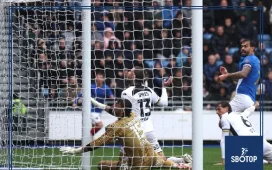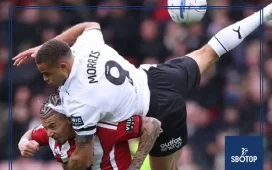
Norwich City finally halted their losing run with a 3-1 comeback victory over Charlton Athletic at The Valley on Saturday, 24 October 2026. After conceding early, Philippe Clement’s side recovered through Paris Maghoma and Mathias Kvistgaarden before an Ivan Mesík own goal secured the points.
The result ended six consecutive defeats across all competitions, including five in the Championship. For a team searching for confidence and a coach facing increasing scrutiny, the manner of the recovery mattered almost as much as the victory itself.
Charlton had started with the intensity of a side determined to end its own disappointing sequence. Charlie Kelman rewarded that approach with the opening goal, but the hosts could not maintain their early authority. Their first home defeat of the season left them without a win in nine Championship matches.
Charlton Make an Immediate Impression
The home side threatened almost from kick-off, with Tyreece Campbell testing Daniel Grimshaw inside the opening 20 seconds. It was an early indication that Norwich would have little time to settle.
Charlton’s pressing continued to make the visitors uncomfortable. They sought opportunities to interrupt possession and attack before Norwich could establish secure passing connections.
That approach carried a clear purpose. A team facing opponents on a losing run can increase the pressure by making their opening actions difficult, particularly when uncertainty already surrounds confidence.
However, intensity must be maintained through organisation rather than effort alone. Pressing successfully creates opportunities, but it also requires the players behind the first challenge to protect space. Charlton’s opening work produced a lead; sustaining its benefits would prove harder.
Kelman Punishes Norwich’s Mistake
Charlton went ahead in the tenth minute after Kayne Ramsay intercepted Harry Darling’s pass. Joe Rankin-Costello then supplied Kelman, who took the ball around Grimshaw and finished from a tight angle.
The goal combined an effective press with a composed final action. Kelman still had work to do after receiving possession, and his movement around the goalkeeper created the angle required.
For Norwich, the concession threatened to reinforce the pattern of their recent results. They were again chasing a match and needed to respond without allowing frustration to undermine their decisions.
The incident also demonstrated the risks of playing out when passing options are restricted. A turnover becomes especially dangerous when defenders and midfielders are positioned to receive the ball rather than immediately protect their goal.
Norwich Have an Early Effort Disallowed
Norwich had already put the ball in the net before Kelman’s opener. Jack Stacey finished from a reverse pass by captain Pelle Mattsson in the fifth minute, but the effort was ruled out for offside.
The decision meant their early attacking moment brought no reward. Nevertheless, it showed that Norwich could find a route behind Charlton’s defensive line.
Disallowed goals can influence the atmosphere without changing the scoreboard. The important task is to retain the useful movement while adjusting its timing.
Norwich eventually did more than rely on that isolated threat. As the half developed, they began creating a more sustained attacking presence. Their recovery was therefore built through improved involvement rather than a single unexpected equaliser disconnected from the surrounding play.
Maghoma Helps Shift the Momentum
Maghoma became increasingly influential as Norwich gained territory. A driving run and low delivery narrowly failed to find Kvistgaarden, offering a warning that Charlton’s defence was being asked different questions.
Billy Koumetio also made an important tackle to deny Kvistgaarden inside the penalty area. Those interventions helped preserve the lead temporarily, but Norwich were finding ways to threaten.
From an analytical perspective, direct running can change the demands on a defence. Players who are comfortable guarding passing lanes must make new decisions when an opponent carries the ball towards them.
The challenge is supporting the runner. Without teammates offering movement, a promising advance can become isolated. Norwich’s developing combinations gave their attacks greater purpose and helped create the conditions for the equaliser.
An Error Opens the Door for the Equaliser
Norwich levelled in the 35th minute after Ramsay attempted a flick that Kvistgaarden seized upon. The striker threaded a pass to Maghoma, who finished impressively beyond Arthur Okonkwo.
It was Maghoma’s first goal of the campaign and an important reward for his growing influence. Norwich reached half-time level after a period in which Charlton had increasingly defended deeper.
The visitors maintained their improved possession after the restart, turning the equaliser into a foundation rather than the conclusion of their response.
For Charlton, the sequence showed how quickly the value of an early lead can disappear. Ramsay had helped create the opener through an interception, but his later mistake offered Norwich the opportunity to restore parity.
Kvistgaarden Completes the Turnaround
Kvistgaarden scored in the 50th minute, heading home from close range after Ruairi McConville’s cross. Norwich had transformed a difficult beginning into a 2-1 advantage.
His contribution now included both creating and scoring. The pass for Maghoma had helped Norwich recover; the header placed them in a position to dictate the next phase.
The goal illustrated the importance of movement inside the penalty area. A useful delivery requires a receiver who recognises the space and arrives ready to finish.
For Charlton, the concession changed their responsibilities. They needed to attack more assertively while remaining aware that Norwich had developed confidence in possession. The balance between chasing an equaliser and avoiding another concession became central to the rest of the contest.
Charlton’s Apparent Equaliser Does Not Stand
Charlton believed they had made it 2-2 when McConville headed into his own net from Campbell’s delivery. The effort was disallowed for offside, leaving Norwich’s advantage intact.
The ruling was a significant moment because an equaliser would have changed the remaining game. Norwich would have needed to rebuild their lead, while Charlton could have gained fresh encouragement.
However, that alternative outcome cannot be treated as something certain to have followed. The confirmed decision was that the goal did not stand.
For Norwich, the episode remained a warning about protecting deliveries across their own penalty area. Surviving a disallowed effort does not remove the need to examine how the dangerous situation developed.
Both Goalkeepers Remain Involved
The match still offered opportunities at both ends. Okonkwo moved quickly to deny Oscar Schwartau, while Grimshaw closed the angle to frustrate Kelman after the hour.
Those interventions underlined that Norwich’s lead was not yet secure. Charlton retained a route back, and the visitors could not afford to focus entirely on attacking.
Analytically, a team managing a narrow advantage needs reliable decisions when possession changes. Sending too many players forward can expose the defence, but retreating completely may surrender the initiative.
Norwich required a balance between keeping Charlton occupied and protecting their own goal. The next successful attacking action would make that task considerably easier, and a substitute provided the decisive contribution.
Musaba Forces the Decisive Third
Anthony Musaba’s introduction brought a fresh attacking threat. His dangerous cross was diverted into the net by Mesík, giving Norwich a two-goal cushion during the final quarter of an hour.
The goal was officially recorded as an own goal. Musaba’s contribution remained important because the delivery forced a defender to intervene in an awkward situation.
The match record placed the incident in the 76th minute, following goals from Kelman, Maghoma and Kvistgaarden. Norwich therefore carried a 3-1 lead into the closing stages.
For Charlton, the timing was damaging. Recovering one goal had remained plausible; finding two with limited time available required greater risk. Norwich now had more room to manage possession and wait for further opportunities.
A Stronger Finish Confirms Norwich’s Recovery
Norwich continued threatening after the third goal. Okonkwo saved from Jacob Wright and also prevented Musaba from adding another, ensuring the final margin did not grow.
The visitors’ ability to remain dangerous was important. Rather than allowing the match to become a sequence of desperate defensive actions, they retained the capacity to make Charlton retreat.
That does not mean the performance was flawless. Norwich had conceded through a preventable turnover and experienced moments of vulnerability after taking the lead.
Nevertheless, their response showed improvement across the match. They recovered emotionally, developed their attacking connections and then supplied enough defensive resistance to protect the result. Those qualities offered a more useful foundation than simply celebrating the end of an unwanted sequence.
Clement Gains Breathing Space
The victory eased immediate pressure on Clement, but it did not settle the longer-term assessment of Norwich’s season. One result can interrupt a losing run without proving that every underlying difficulty has been resolved.
The stronger conclusion concerned the actions that could be repeated. Maghoma’s running, Kvistgaarden’s involvement and the impact of Musaba provided different sources of threat.
Norwich also demonstrated that an early concession did not have to determine the afternoon. Their recovery required more than enthusiasm; it involved making better use of possession and taking decisive chances.
Maintaining those improvements would be the next test. Confidence gained from a comeback becomes valuable when it supports another organised performance, rather than remaining attached to one successful afternoon.
Charlton Face a Different Set of Questions
For Charlton, the disappointment came from failing to sustain a promising start. Their early press created the opener, but they could not preserve control as Norwich improved.
The defensive mistakes mattered, yet the review also needed to consider why the team began spending more time deeper in its own half. Individual errors often occur within a wider pattern of pressure.
The disallowed equaliser offered understandable frustration, but it could not explain the entire result. Charlton still needed greater security and a more consistent attacking presence.
Norwich left The Valley with the reward for adjusting and responding. Charlton were left to examine why their best period had not lasted. The 3-1 scoreline marked a welcome break in one team’s losing sequence while extending the other’s search for a Championship victory.
Also Read: